Exploring the evolution of casinos A journey through time
Origins of Gambling and Early Casinos
The history of casinos can be traced back to ancient civilizations, where gambling was a popular pastime. Archaeological evidence suggests that the Chinese were among the first to engage in games of chance as early as 2300 BC. These activities often involved dice made from materials like bone and wood, illustrating that the allure of risk and reward has always captivated human imagination. Other ancient cultures, such as the Romans and Greeks, also engaged in various forms of gambling, from betting on gladiatorial contests to playing rudimentary games with dice. It is fascinating to consider how to use rainbet in australia as a modern extension of these ancient practices that continues to thrive today.
As civilizations progressed, the concept of gambling began to formalize. In the 17th century, the first known casino opened its doors in Venice, Italy, known as the Ridotto. This establishment allowed guests to enjoy not only the thrill of gambling but also a social atmosphere with music and dancing. The casino marked a significant shift in the gambling landscape, as it became a dedicated space for these activities, evolving from informal games played in homes and taverns to structured environments designed for entertainment and profit.
During this early phase of casino history, the psychology of gambling began to take shape. The thrill of winning and the fear of losing became central themes. Players found themselves not just engaging in games but also partaking in a larger cultural phenomenon where chance, strategy, and social interaction intertwined. This mix laid the foundation for future gambling establishments and set the stage for the evolution of casinos into entertainment hubs.
The Golden Age of Casinos
The 19th century marked a pivotal time in the evolution of casinos, especially with the establishment of iconic locations like Monte Carlo. Known as the gambling capital of Europe, Monte Carlo became synonymous with luxury and high-stakes gaming. The casino in Monte Carlo not only popularized various games like roulette and baccarat but also attracted the elite from around the world, cementing the social aspect of gambling in casino culture. This era also witnessed the introduction of innovations like the roulette wheel, further enhancing the gaming experience.
During this period, the United States began to develop its own casino culture, particularly in New Orleans and later in Las Vegas. As the country expanded westward, gambling became associated with the allure of the Wild West. This association led to the establishment of saloons and gaming houses, which provided a combination of drinking and gambling entertainment. The psychology of risk-taking flourished in these environments, as players sought not just financial gain but also the thrill of defying the odds.
The Golden Age of casinos also revealed the darker side of gambling. Addiction and financial ruin became common narratives as individuals lost themselves in the pursuit of wealth and excitement. This duality—where casinos represented both risk and entertainment—began to shape public perception and prompted debates about regulation and the morality of gambling. The evolving landscape of casinos during this time showcased the complex relationship between society and gambling, setting a precedent for the future.
The Rise of Modern Casinos
The latter half of the 20th century witnessed a dramatic transformation in the casino industry, driven by the legalization of gambling in various states across the U.S. Las Vegas became the epicenter of this change, evolving from a sleepy desert town to a bustling metropolis filled with extravagant casinos and entertainment options. Iconic establishments like the Bellagio and Caesars Palace not only redefined the architectural landscape but also enhanced the gambling experience by integrating luxury, fine dining, and world-class performances.
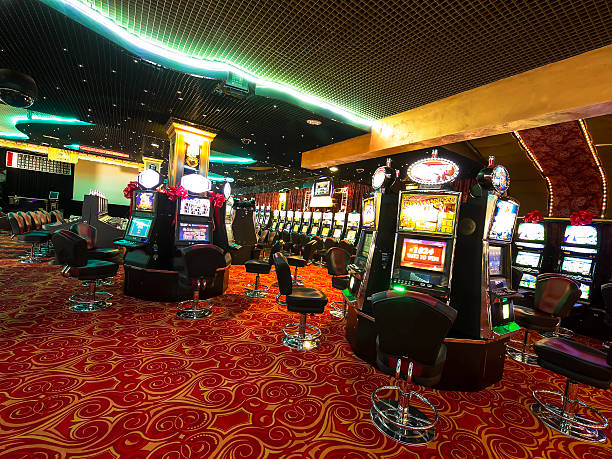
With advancements in technology, casinos began to adopt new methods to attract players. The introduction of electronic gaming machines revolutionized the gambling experience, providing convenience and excitement. The shift toward digital gaming altered the psychology of gambling, as players sought immediate gratification from slot machines. This instant feedback loop catered to the growing desire for quick wins, contributing to an increase in gambling addiction and reshaping the industry’s approach to player engagement.
Moreover, the rise of online casinos in the 21st century has further evolved the landscape of gambling. With platforms offering instant access to games, players can now engage in gambling from the comfort of their homes. The psychology of gambling continues to adapt, as operators leverage data and algorithms to enhance user experiences, creating personalized offerings that keep players engaged. The evolution of casinos, therefore, not only reflects changing consumer behaviors but also highlights the ongoing interplay between technology and gambling psychology.
Challenges and Regulations in the Casino Industry
As the casino industry evolved, so too did the challenges it faced. Issues such as gambling addiction, financial exploitation, and regulatory scrutiny became increasingly significant. Many jurisdictions recognized the need for robust regulations to protect consumers and ensure fair play. This led to the establishment of governing bodies that oversee casino operations, implement responsible gambling measures, and ensure the integrity of games. Such regulations aim to foster a safer gambling environment while addressing the societal concerns associated with addiction.
Moreover, the challenges presented by the digital age have necessitated new regulations that specifically address online gambling. With the rise of internet casinos, concerns about fraud, underage gambling, and the security of financial transactions have come to the forefront. Regulatory bodies have had to adapt, ensuring that online platforms comply with strict guidelines to maintain player safety and trust. This regulatory evolution has been crucial in shaping the future of casinos and addressing the psychological implications of gambling.
Public perception of casinos has also evolved alongside these challenges. While some view casinos as entertainment venues, others criticize them as breeding grounds for addiction and crime. Campaigns advocating for responsible gambling have emerged, reflecting society’s increasing awareness of the psychological impacts of gambling. These ongoing discussions and evolving regulations highlight the complex relationship between casinos and society, emphasizing the need for a balanced approach that considers both entertainment and public health.
Embracing the Future of Casinos
As we venture into the future, the casino industry is poised for even more significant changes driven by technological advancements and evolving consumer preferences. Virtual reality and augmented reality technologies hold promise for revolutionizing the gambling experience, allowing players to engage in immersive environments that blend the thrill of gaming with social interaction. This evolution could transform how players perceive risk, making the gambling experience more engaging and interactive.
Furthermore, the integration of cryptocurrencies and blockchain technology is redefining financial transactions in the casino industry. These innovations offer enhanced security, transparency, and anonymity for players, catering to the demands of a more tech-savvy audience. The psychological implications of these changes could lead to new gambling behaviors, as players become more comfortable with digital currencies and seek new experiences in the evolving landscape of casinos.
In this dynamic environment, platforms like Rainbet Casino are leading the charge by embracing the latest technologies while prioritizing user safety and enjoyment. Offering a wide array of gaming options and ensuring a secure environment, these modern casinos aim to cater to the evolving preferences of players. As the journey through time continues, the future of casinos promises to blend tradition with innovation, ensuring that the excitement of gambling remains a vibrant part of society.
Leave a Reply